


Beibu Gulf Uzbekistan Oil Fields Put Into Production, Peak Crude Oil Production Exceeds 2,000 Tons Per Day
Jul 05, 2024
The Wushi 23-5 oilfield cluster with a daily output of more than 2,000 tons has been put into production. The oilfield cluster integrates a large number of advanced green processing technologies, providing valuable experience for the green transformation of my country's offshore oil exploration, development and production.
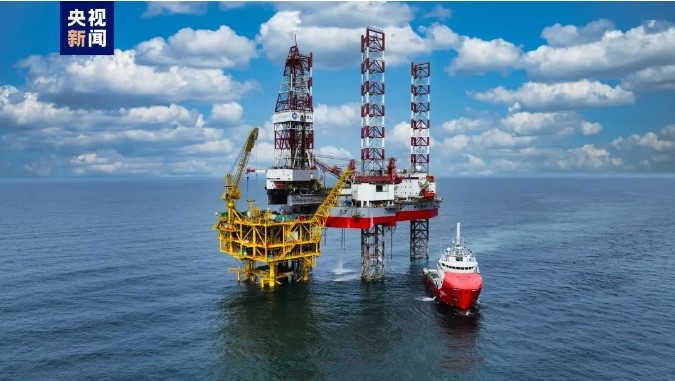
The Wushi 23-5 oilfield group is located in the eastern waters of the Beibu Gulf, with an average water depth of about 28 meters. It consists of two offshore platforms and one land terminal. The oilfield group has a total of 46 production wells and has an ultra-long industrial chain production model that integrates oil and gas production, transportation, processing, and oil and gas product sales. After the oilfield group is put into production, the peak daily crude oil production will exceed 2,000 tons.
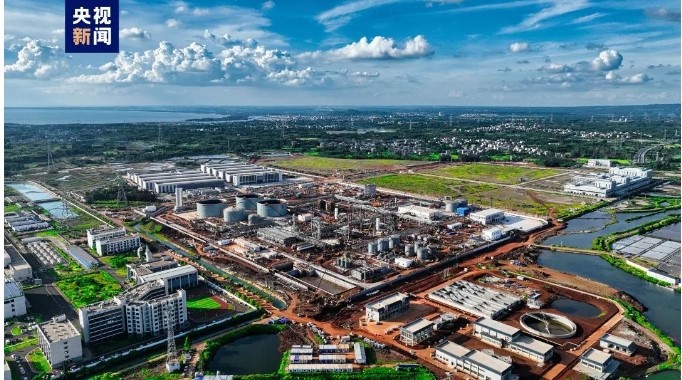
In addition, the oilfield group is equipped with an integrated natural gas processing process and equipped with liquefied natural gas and liquefied petroleum gas storage tanks, which can effectively convert associated natural gas into two products, liquefied natural gas and liquefied petroleum gas, and store and load them for external transmission.
Deng Yong, deputy general manager of CNOOC Zhanjiang Branch, introduced that they also took the development of Wushi 23-5 oilfield group as an opportunity to promote local green projects such as fishery-photovoltaic complementarity and offshore wind power resource development, help local green industries, and play a demonstration role in the low-carbon transformation of offshore oil exploration, development and production.
News link: my country accelerates the development of offshore green oilfields
With the accelerated application of a series of green technologies such as submarine carbon dioxide storage, associated gas recycling, offshore wind power photovoltaic and other new energy power supply, my country has continuously promoted the development of offshore green oilfields in recent years.
In Bohai Sea, my country's first domestically produced 300-kilowatt micro-turbine motor at sea was put into production in Bozhong 3-2 oilfield, which can consume about 2 million cubic meters of associated gas each year and save about 530 tons of crude oil consumption.
In the Pearl River Mouth Basin, the Enping 15-1 oilfield group launched my country's first offshore carbon dioxide storage demonstration project. By capturing and treating the carbon dioxide associated with oilfield development and then storing it in a saline layer 800 meters deep, its annual peak gas injection capacity reaches 300,000 tons, realizing the green and low-carbon development of offshore oilfields.
In the Wenchang waters, my country's first deep-sea floating wind power platform "Haiyou Guanlan" has supplied more than 28 million kWh of green electricity since it was connected to the grid for power generation, with an annual power generation capacity of 22 million kWh, which can reduce carbon dioxide emissions by 22,000 tons.
As of the end of 2023, CNOOC has implemented more than 400 energy-saving and low-carbon projects, achieving energy savings of 1.04 million tons and carbon reduction of 3.15 million tons, with both energy consumption intensity and carbon emission intensity reduced.


