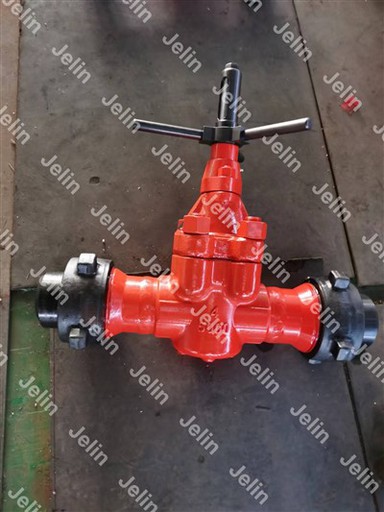
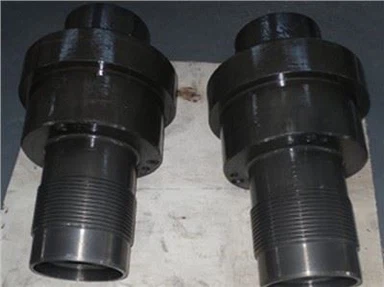
Choke And Kill Manifold
Jul 09, 2025
Function of choke manifold
1. Control the throttling effect of the wellhead pressure throttle valve: By adjusting the opening of the throttle valve, the casing pressure and riser pressure at the wellhead can be accurately controlled. In the well killing operation, the throttle valve can balance the bottom hole pressure and the formation pressure to prevent the occurrence of blowouts or overflows, and also prevent the well leakage caused by excessive downhole pressure. Dynamic pressure control: During downhole operations, such as drilling, completion or well repair, the wellhead pressure needs to be adjusted in real time as the drilling fluid properties or downhole conditions change. The throttle manifold can respond quickly and maintain the stability of the wellhead pressure through fine-tuning the throttle valve, providing a safe construction environment for downhole operations. 2. Achieve soft shut-in and pressure relief: When the wellhead pressure is too high, the casing pressure at the wellhead can be reduced through the pressure relief function of the throttle valve, realizing the so-called "soft shut-in". Compared with hard shut-in, soft shut-in can avoid the sharp change of wellhead pressure, reduce the impact on wellhead equipment, and protect key equipment such as blowout preventers. Smooth shut-in process: During the shut-in process, the choke manifold allows the fluid in the well to continue to flow under control, gradually reducing the flow of the fluid through the throttle valve, so that the wellhead pressure slowly rises to the required shut-in pressure. This smooth shut-in method helps prevent the occurrence of complex situations downhole, such as blowouts or damage to downhole tools caused by the sudden release of formation pressure. 3. Protect the wellhead equipment. The discharge function of the blowout valve: When the wellhead pressure is too high or the fluid flow in the well is too large, the blowout valve can be opened quickly to guide a large amount of fluid to the blowout line to release the wellhead pressure. This can effectively protect the wellhead blowout preventer group, four-way and other equipment from being damaged by overpressure. Reduce equipment wear: The throttling and discharge functions of the choke manifold can prevent the wellhead equipment from excessive wear under the direct impact of high-pressure and high-velocity fluids. This helps to extend the service life of the equipment and reduce maintenance costs and repair frequency. 4. Cooperate with well killing operation: The choke manifold works closely with the well killing manifold. During the well killing process, the choke manifold controls the wellhead pressure through the throttle valve, while the well killing manifold pumps the well killing fluid into the well. The synergistic effect of the two can ensure that the well killing fluid enters the well smoothly, replaces the contaminated drilling fluid, and restores the bottom hole pressure balance. Adjust the density of the well killing fluid: During the well killing process, by adjusting the opening of the throttle valve, the wellhead pressure changes can be monitored in real time, and the density of the well killing fluid can be adjusted as needed. This helps to accurately control the bottom hole pressure and avoid the downhole complications caused by improper well killing fluid density. 5. Blowout and flow control safe blowout: During the downhole operation, if the pressure in the well is too high or an emergency occurs, the blowout valve of the choke manifold can be opened quickly to safely guide the high-pressure fluid in the well to the blowout line and release it to the designated safe area. This can prevent the wellhead equipment and personnel from being directly threatened by the high-pressure fluid.
Precise flow control: The throttle valve can not only adjust the pressure, but also accurately control the flow of the fluid. In some downhole operations, such as downhole testing or the lowering of downhole tools, the fluid flow needs to be precisely controlled, and the throttle valve of the throttle manifold can meet this demand. 6. Monitoring and data acquisition Pressure monitoring: The throttle manifold is usually equipped with multiple pressure gauges and sensors for real-time monitoring of the wellhead casing pressure, the riser pressure, and the pressure after the throttle valve. These data are crucial to the safety and effectiveness of downhole operations, and can help engineers adjust the operating parameters in time to avoid downhole accidents. Data recording and analysis: The pressure and flow data collected by the throttle manifold can be recorded for subsequent analysis and research. These data can help engineers better understand the downhole situation, optimize the operation plan, improve the operation efficiency, and provide a reference for similar operations in the future. 7. Emergency handling Quick response: In the event of an emergency in the well, such as a blowout out of control or a downhole tool failure, the throttle manifold can respond quickly, and through the emergency operation of the throttle valve and the blowout valve, the wellhead pressure can be quickly controlled to prevent the further expansion of the accident. Backup function: The choke manifold can also be used as a backup channel. When the main well-killing channel fails, well-killing fluid is pumped into the well through the choke manifold to ensure the continuity and safety of downhole operations.

Function of Kill manifold
1. An important channel for well killing operation When abnormal conditions such as overflow or blowout occur in the well and the well pressure cannot be controlled by normal drill string circulation, the well killing manifold becomes the key channel for pumping drilling fluid into the well. By pumping drilling fluid with appropriate density into the well, the pressure balance at the bottom of the well can be gradually restored, thereby achieving effective control of the downhole pressure and preventing the overflow from further developing into more serious accidents such as blowout. During the well killing operation, the well killing manifold can accurately control the injection speed and flow rate of the drilling fluid. In the engineer method of well killing, the amount of drilling fluid pumped in needs to be accurately adjusted according to the changes in the riser pressure and casing pressure. The valves on the well killing manifold can be flexibly opened or closed to adapt to different well killing requirements and ensure the smooth progress of the well killing operation. 2. Key equipment for reverse circulation well killing In reverse circulation well killing operations, the role of the well killing manifold is particularly critical. When the conventional positive circulation well killing method is limited (such as blockage of the drill string water hole, etc.), the well killing manifold can provide a channel for reverse circulation well killing. The drilling fluid enters the well through the well-killing manifold, carrying the pollutants (such as gas, oil, etc.) underground back to the ground, effectively cleaning the wellbore, restoring and maintaining the cleanliness of the wellbore, and creating good conditions for subsequent underground operations. 3. Backup channels and pressure control auxiliary tools The well-killing manifold can be used as a backup channel. When the main channel fails or is unavailable, it can be put into use in time. In addition, the well-killing manifold can assist the throttling manifold and other equipment to achieve precise control of the wellhead pressure. By adjusting the valve opening on the well-killing manifold and working in conjunction with the throttling manifold, the wellhead pressure can be controlled within a safe range to ensure the stability of underground operations.